
By Shellie Miller-Farrugia
For decades, educators have wrestled with the challenge of meeting the needs of students who learn in very different ways. While traditional classrooms often require one teacher to address the needs of 25 or more students simultaneously, Jason Robinovitz has built an educational model that turns that approach on its head.
Through JRA Educational Consulting, Score at the Top, and Score Academy, Robinovitz has created an integrated system that serves students from elementary school through college preparation. With five South Florida campuses in Palm Beach Gardens, Wellington, Boca Raton, Coral Springs, and Miami, along with a consulting office in Weston, the organization combines full-time schooling with tutoring, standardized test preparation, and private college guidance.
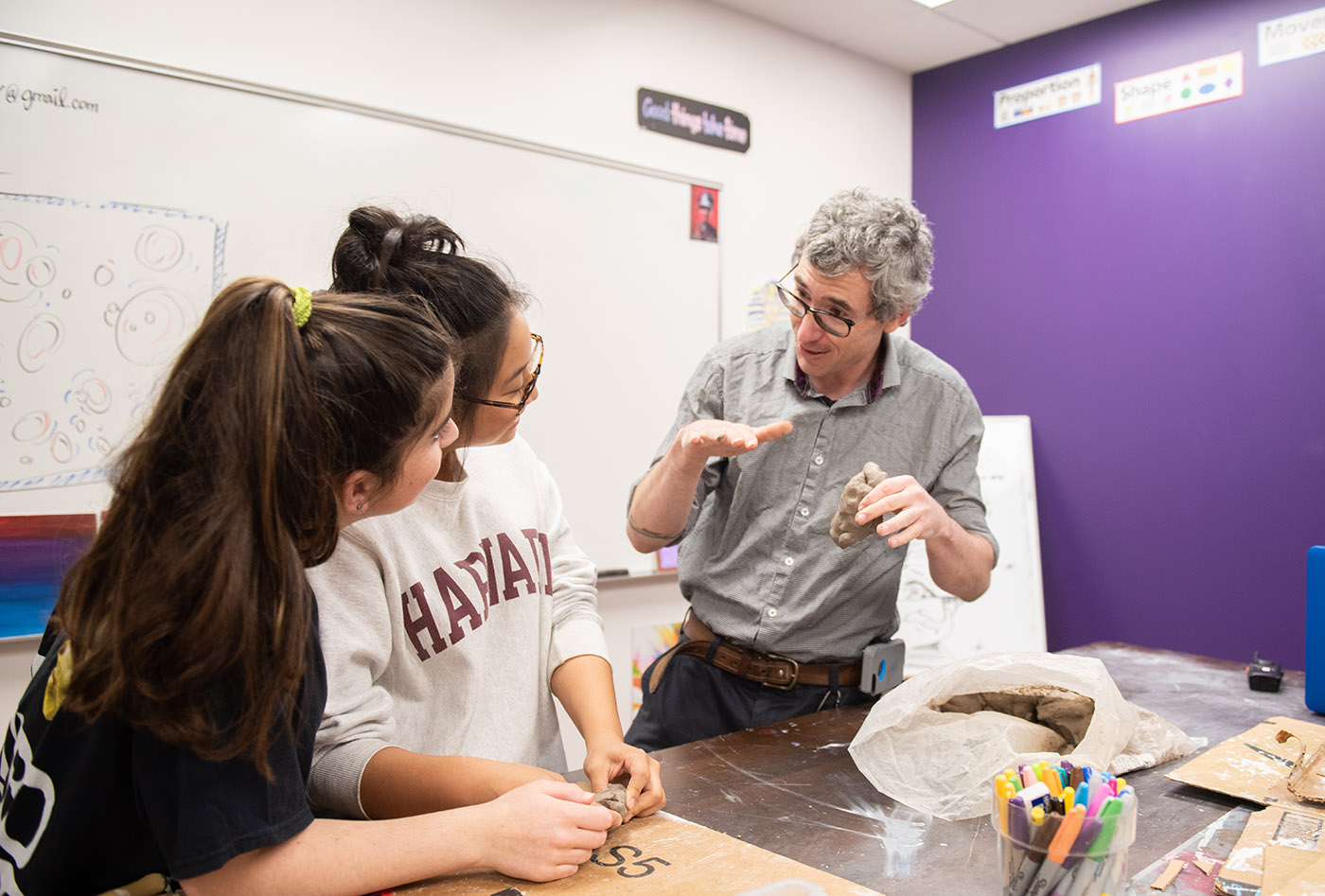
At the heart of the model is a commitment to individualized instruction. Most classes are intentionally limited to six students, allowing teachers to adapt lessons to the strengths and needs of each learner. Rather than expecting every student to absorb information in the same way, instructors can tailor their teaching to visual, auditory, and kinesthetic learning styles. The philosophy bears similarities to Montessori education in its emphasis on meeting students where they are, recognizing that meaningful learning occurs when instruction is adapted to the individual rather than forcing every child into the same mold.
Robinovitz believes this personalized approach is increasingly important as families seek alternatives to the traditional one-size-fits-all classroom. The rapid growth of micro-schools reflects a desire for smaller learning communities where teachers know their students well, and parents become active partners in the educational process. He argues that while schools provide the structure for learning, much of a child’s educational success is still shaped by what happens outside of the classroom. He tells us, “80–90% of learning happens at home. School alone is insufficient.“
Even in busy, dual-income households, intentional parental involvement remains one of the strongest predictors of long-term success.
The school is also embracing technology without allowing it to replace authentic learning. As artificial intelligence becomes increasingly common, Robinovitz acknowledges that AI-assisted cheating has become one of education’s greatest challenges. Rather than relying on unreliable AI detection software, his teachers emphasize transparency by requiring students to demonstrate their work and, when appropriate, complete assignments in Google Docs, where the writing process can be monitored and reviewed. At the same time, the school is piloting AI tools such as Granola to automatically generate classroom notes, allowing students to spend less energy taking notes and more energy actively engaging with instruction.
Jason solidifies this by saying, “Our goal is to remove the cognitive load of notetaking so that students can focus solely on instruction. This tool is especially valuable for learners who struggle with simultaneously listening and writing.“
To give your child the most beneficial tools for confidence, learning, and success, find them at:
www.Score-Academy.com
www.ScoreAtTheTop.com
www.jraEducationalConsulting.com