
Conviva Senior Primary Care
From power outages impacting oxygen machines to disruptions in getting prescription medication, hurricanes can present unique challenges for seniors and those managing chronic health conditions.
Preparation can make all the difference.
Taking a few simple steps before the storm can help keep us healthy if severe weather strikes. Planning ahead allows older adults and their caregivers to focus on staying safe instead of scrambling for necessities and solutions at the last minute.
Here are seven important ways seniors can prepare for hurricane season.
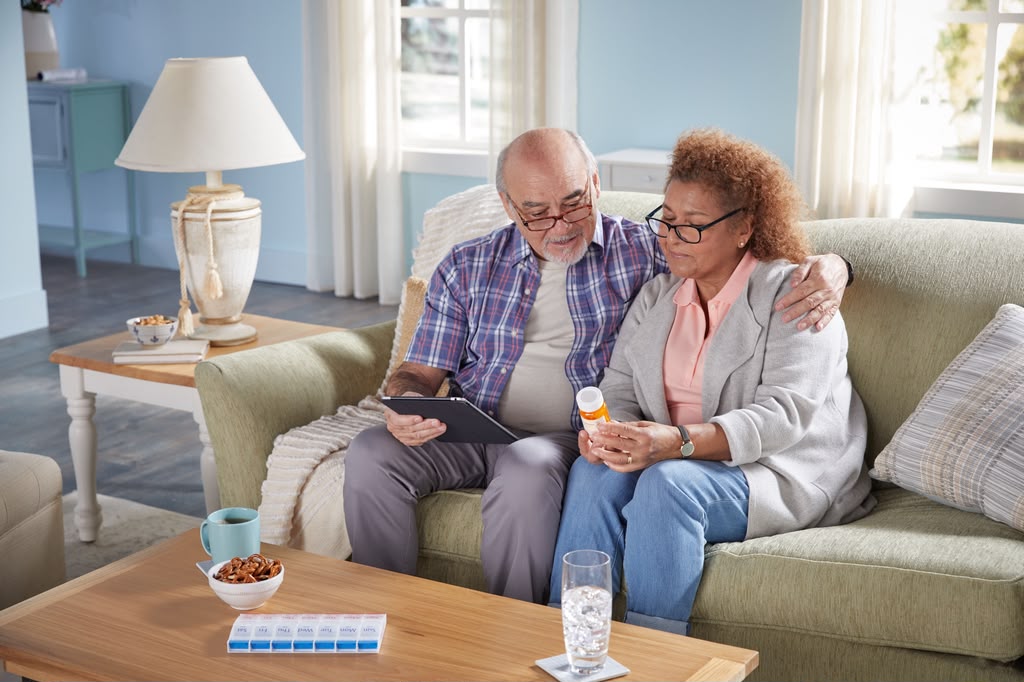
Have medications ready.
One of the most important steps is ensuring you have an adequate supply of prescription medications. Experts recommend keeping at least a seven-day supply on hand whenever possible. Store medications in a waterproof container and keep an updated list of prescriptions, dosages, allergies and physician contact information.
Create an emergency kit.
A well-stocked emergency kit should include bottled water, nonperishable food, flashlights, extra batteries, a first aid kit, hygiene supplies, important documents in waterproof packaging and a battery-powered or hand-crank radio. Don’t forget hearing aid batteries, mobility equipment supplies or other items on which you rely.
Prepare for power outages.
Many seniors depend on electricity for medical equipment, refrigerated medications or communication devices. Charge phones, backup batteries and portable power banks before a storm arrives. If you use electrically powered medical equipment, speak with your healthcare provider about your emergency plan and identify nearby locations with backup power if needed.
Know your evacuation plan.
Don’t wait until evacuation orders are issued to determine where you’ll go and if transportation may be a challenge. If you require medical assistance during an evacuation, check with your local emergency management office about available resources and special needs registries. Also, identify where your local shelters are beforehand.
Keep important health information together.
Store copies of insurance cards, medical records and emergency contacts in a waterproof folder or secure digital format. Having this information readily available can make it much easier to receive care if you need to visit a different healthcare provider during or after a storm.
Stay connected.
Isolation can become even more dangerous during severe weather. Create a communication plan with loved ones, neighbors or caregivers who can check in before and after the storm. If you live alone, let someone know your emergency plans and where you expect to be if you evacuate.
Don’t overlook emotional well-being.
Preparing for a hurricane can be stressful. Staying informed through trusted weather sources, following local officials’ guidance and talking with family members about your emergency plan can help reduce anxiety and increase confidence.
While no one can predict exactly where the next storm will make landfall, making a plan before hurricane season reaches its peak can help seniors be better equipped and feel more confident.
At Conviva Senior Primary Care, we encourage patients and caregivers to discuss emergency preparedness with us well before a storm approaches. Together, we can help ensure seniors have the medications, resources, and support they need to stay safe throughout hurricane season.
ABOUT CONVIVA
Conviva is part of CenterWell, a leading health care services organization focused on creating integrated and differentiated experiences that put our patients at the center of everything we do. CenterWell and Conviva are part of Humana. Learn more at ConvivaCareCenters.com.